Manchester Lit & Phil: Exploring the Surface of Titan
18:30 - 20:00
Manchester Lit & Phil: Exploring the Surface of Titan
- Where:
- Renold Building, M1 7JR
- Price:
- From £7.21
What does it take to land on one of the most mysterious worlds in the Solar System?
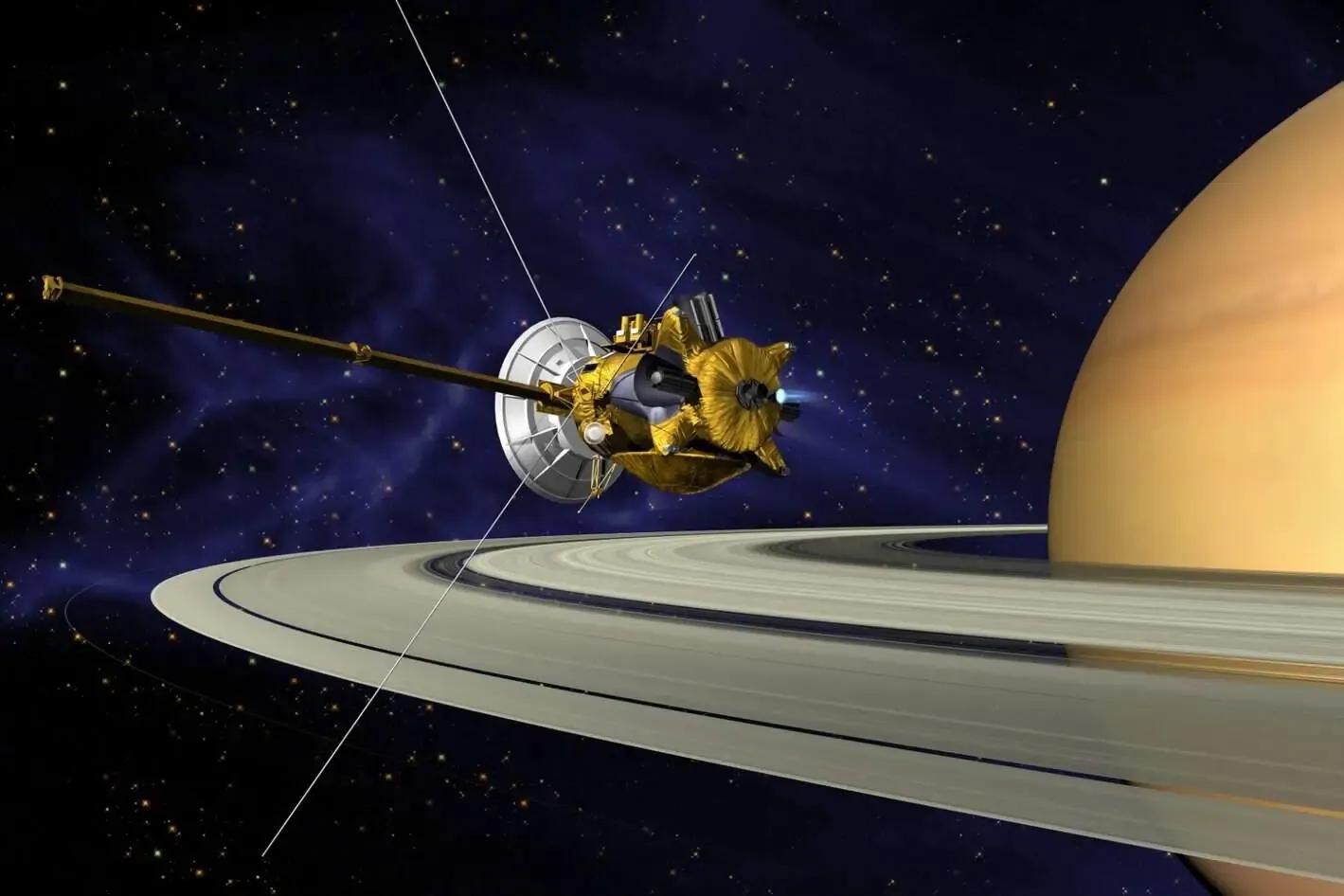
After a 7-year journey of 1.5 billion km, the joint NASA–ESA Cassini-Huygens mission reached Saturn in 2004. On Christmas Day 2004, the European-built Huygens probe separated from Cassini and began its final approach to Titan, Saturn’s largest moon. Just over two weeks later, Huygens descended through Titan’s dense, orange atmosphere for more than two hours, transmitting extraordinary data all the way down before making a historic soft landing. It continued sending images and measurements from the frozen surface for over an hour — and remains, to this day, the most distant soft landing ever achieved in the Solar System.
This remarkable mission also has a Manchester story. One of the instruments carried all the way to Titan was designed by Dr John Geake of the University of Manchester. Decades later, a small piece of Manchester technology still rests on Titan’s cold, hazy landscape.
In this special talk, Professor John Zarnecki, Principal Investigator for a collection of instruments in the Huygens Science Surface Package, will offer personal insights into one of the great adventures of modern space exploration. He will explore how the mission came together, what its scientific objectives were, what Huygens discovered about Titan’s atmosphere and surface, and what we can expect from Dragonfly, NASA’s upcoming mission to return to Titan.
If you are fascinated by space exploration, planetary science, engineering, or the stories behind ambitious scientific missions, this is an event not to miss.
There will be time for questions and discussion. Early booking is strongly recommended.
Who Should Attend?
This event will appeal to:
- anyone interested in space, astronomy, and planetary science
- students and lifelong learners curious about how space missions are designed and delivered
- people interested in NASA, ESA, and the history of major space exploration missions
- audiences keen to hear a first-hand account from a leading scientist involved in the mission
- those with an interest in Manchester’s contribution to global scientific discovery
No specialist knowledge is required.
Questions This Talk Will Explore
- How did the Cassini-Huygens mission begin, and why was Titan such an important target?
- What were the mission’s main scientific objectives?
- What did Huygens reveal about Titan’s atmosphere, surface, and weather?
- What made landing on Titan so technically challenging?
- What role did scientists and engineers from Manchester play?
- Why is Titan still one of the most exciting destinations in the Solar System?
- How is NASA’s Dragonfly mission progressing, and what could it discover next?
Practical Information
The presentation will include time for questions and discussion.
Booking is strongly advised.
Contact us to find out more about Sister
Contact us to find out more about Sister